Shader Precompilation Pipelines Streamline Load Times in Console Esports Competitions
Amir Werner · Nov 21, 2026
Shader Precompilation Pipelines Streamline Load Times in Console Esports Competitions
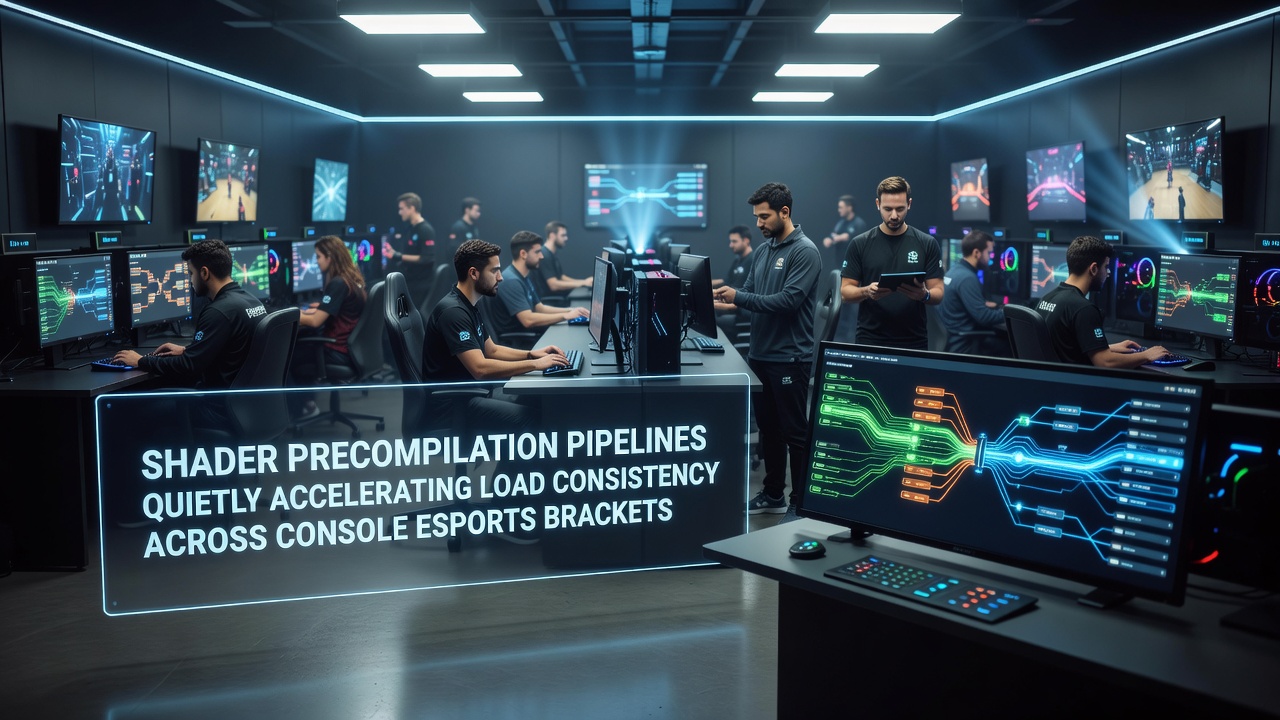
Shader precompilation pipelines have emerged as a key technical process that reduces variability in load times across console esports events, and developers integrate these systems directly into game engines to handle shader variants before matches begin. Teams compile shaders in advance so that rendering operations execute without runtime delays, which maintains consistent frame delivery during high-stakes brackets.
Core Mechanics of Precompilation Workflows
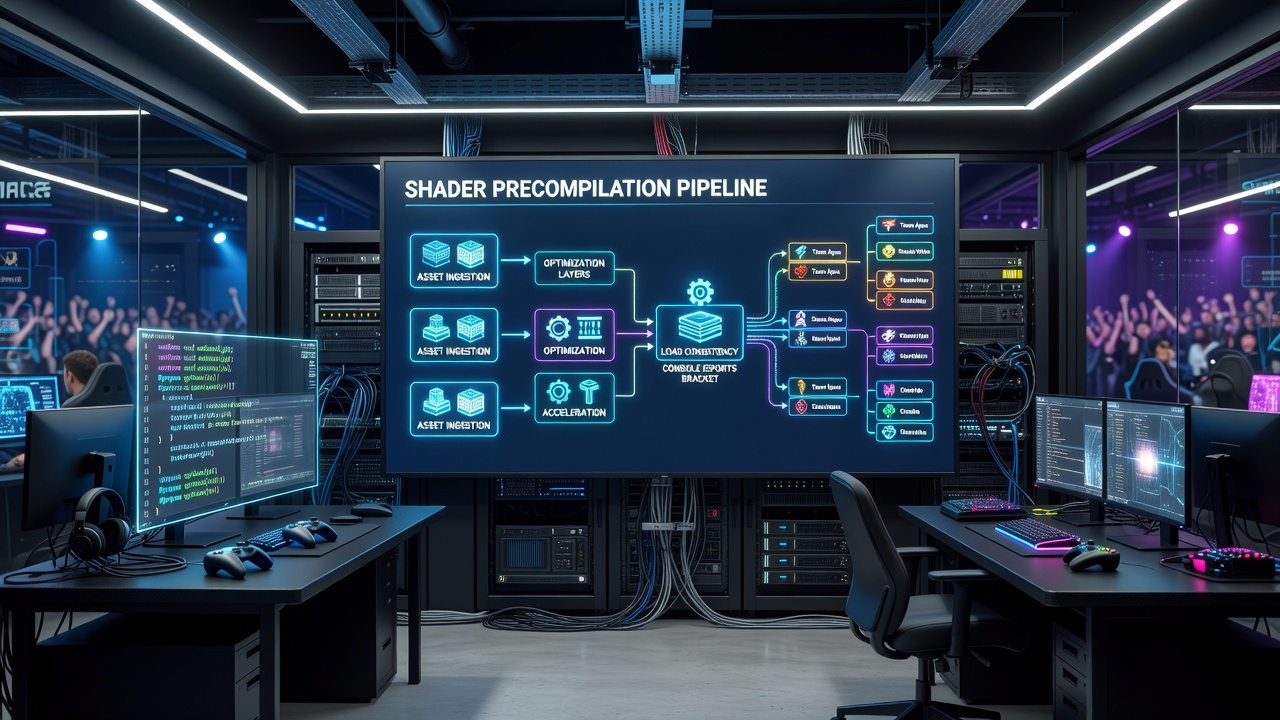
Engineers at major console manufacturers process shader code through automated pipelines that generate optimized binaries for specific hardware configurations, and this approach eliminates on-the-fly compilation that previously caused frame drops in competitive play. Data from hardware performance logs indicate that precompiled shaders cut initial load sequences by measurable margins, while maintaining visual fidelity across titles like fighting games and first-person shooters that dominate tournament circuits.
Those who manage esports infrastructure observe that pipelines scan game assets early in development cycles, and they cache results on local storage or network servers for quick retrieval during events. This method supports multiple console generations simultaneously because compilers account for architecture differences between platforms, which prevents discrepancies when players switch devices mid-bracket.
Effects on Tournament Scheduling and Player Experience
Organizers of console esports leagues report steadier match pacing once precompilation becomes standard practice, and schedules avoid extended pauses that once disrupted viewer engagement. Research from industry groups shows reduced variance in startup durations across sessions, which helps maintain fairness when competitors face identical hardware setups at venues.
Players benefit from predictable transitions between rounds because shaders load from prebuilt caches rather than generating new code each time, and this consistency proves especially valuable in bracket stages where small timing differences affect outcomes. Observers note that venues equipped with updated pipeline tools experience fewer technical interruptions, allowing focus to remain on strategy instead of hardware waits.
Integration with Existing Console Architectures
Console firmware updates in recent years incorporate dedicated tools that support shader precompilation at the system level, and these features work alongside game-specific engines to handle large variant sets without manual intervention. Data collected from live events reveal that integrated pipelines scale effectively when tournaments expand to dozens of simultaneous stations, because cached shaders distribute efficiently across local networks.
What's interesting is how regional standards bodies influence these implementations, for example through guidelines issued by the European Games Developer Federation that encourage uniform compilation practices. Similar efforts appear in reports from Australian digital entertainment associations that track hardware performance in organized competitions.
Developments Expected Around November 2026
Upcoming firmware revisions scheduled for late 2026 aim to refine precompilation accuracy for next-generation console revisions, and preliminary tests indicate further reductions in load variability when new shader models enter tournament use. Engineers plan to expand cache management protocols so that dynamic title updates integrate seamlessly without requiring full recompilation cycles at each event.
League operators prepare infrastructure upgrades ahead of these changes, and coordination with hardware partners ensures that prebuilt shader libraries remain compatible across mixed console fleets. Figures from ongoing monitoring programs show continued improvement in session stability as pipelines mature, which supports larger participant pools without proportional increases in technical overhead.
Conclusion
Shader precompilation pipelines continue to shape load consistency in console esports by embedding preparation steps into standard development and deployment routines, and their adoption reflects broader efforts to align technical performance with competitive demands. As hardware evolves through 2026 and beyond, these systems provide a foundation for reliable tournament operations that prioritize both precision and accessibility across global brackets.